Sustaind consulting
Climate Risk Assessment Consultants
Climate change creates material risks for every organisation, from extreme weather and resource stress to policy shifts, technology disruption, and changing stakeholder expectations.
Sustaind translates climate science into practical insights for boards, investors, operations teams, and communities.

Sustaind's expert team of ESG Advisory and Sustainability Service Consultants provides comprehensive climate risk assessments—covering physical risks, transition risks, and scenario analysis—for businesses across India and Saudi Arabia.
Our Climate Risk Assessment Approach
Physical Risk Analysis
We assess acute hazards such as floods, heatwaves, cyclones, and droughts, together with chronic changes in temperature, rainfall, and water availability.
Transition Risk Analysis
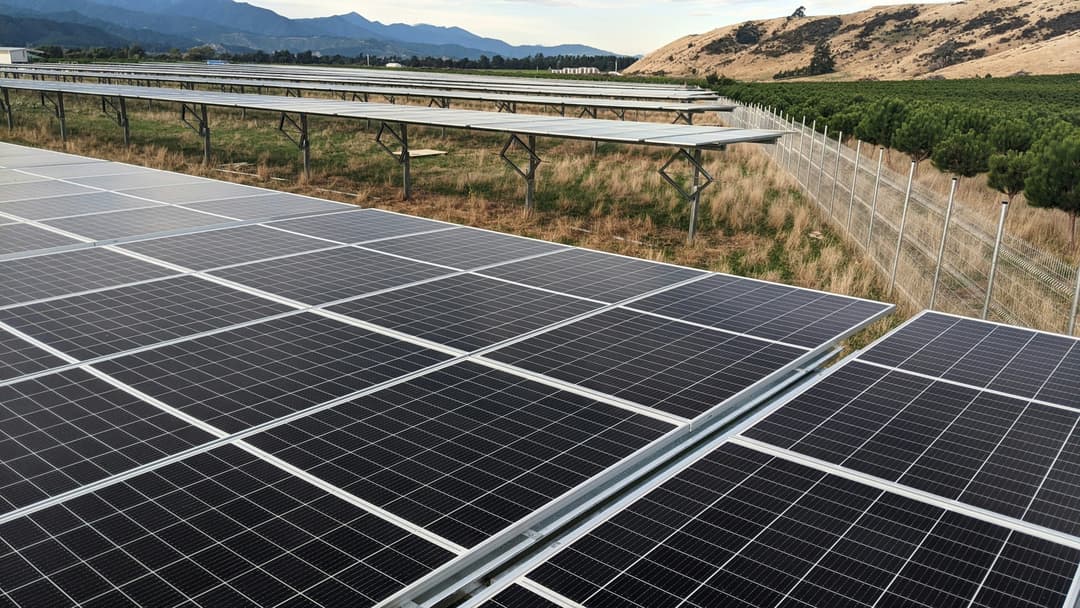
We consider regulatory, market, technology, reputation, and customer changes associated with the transition to a low-carbon economy.

Climate Scenario Analysis
Recognised climate scenarios help us test the resilience of strategies and investments across different warming and transition pathways.

Climate & Health Vulnerability Tools
Our climate and health tools integrate climate data with public-health and community-vulnerability indicators for healthcare, agriculture, and government clients.
Climate Adaptation Strategy
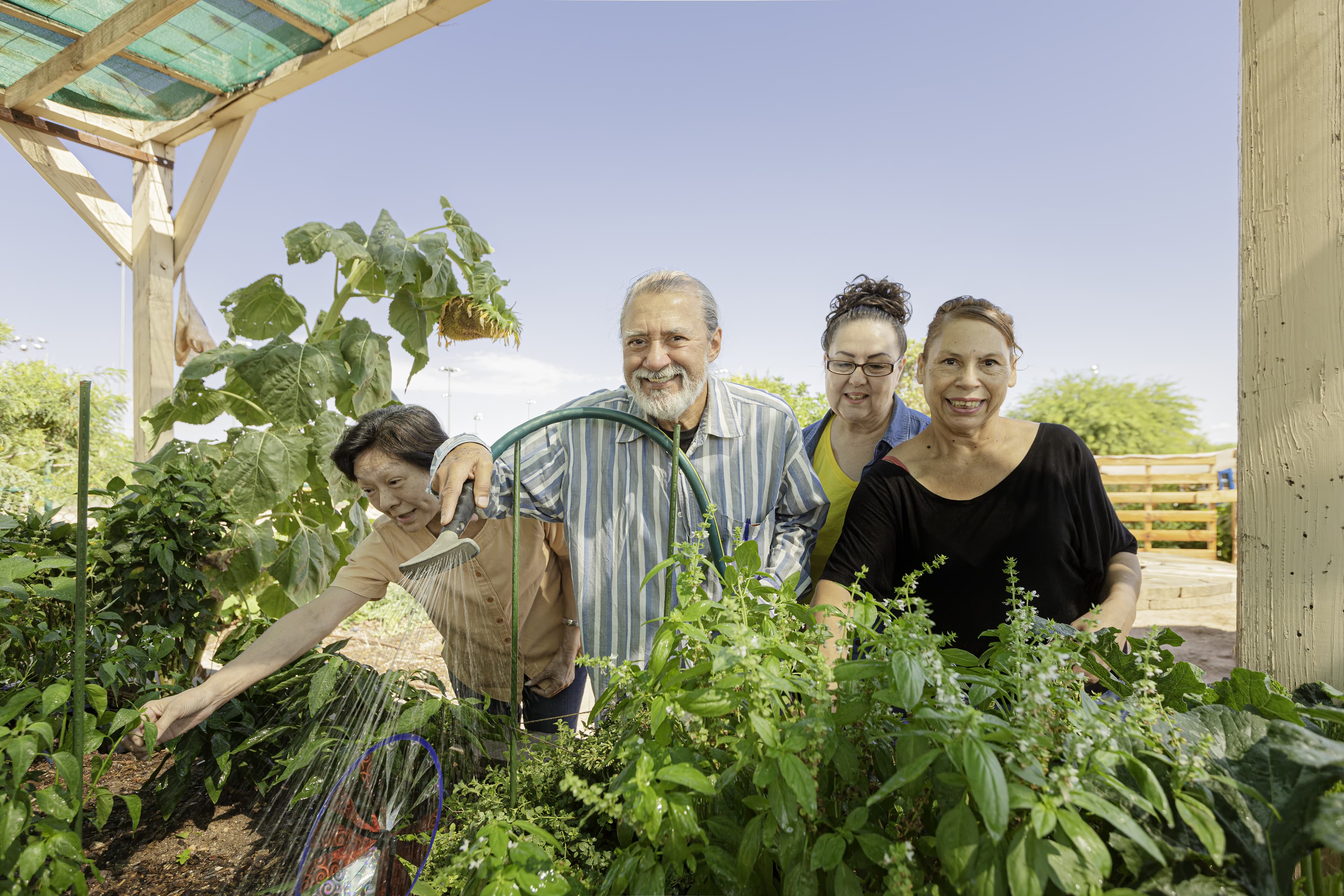
We develop adaptation strategies that strengthen resilience, define ownership, prioritise investment, and establish measurable milestones.